
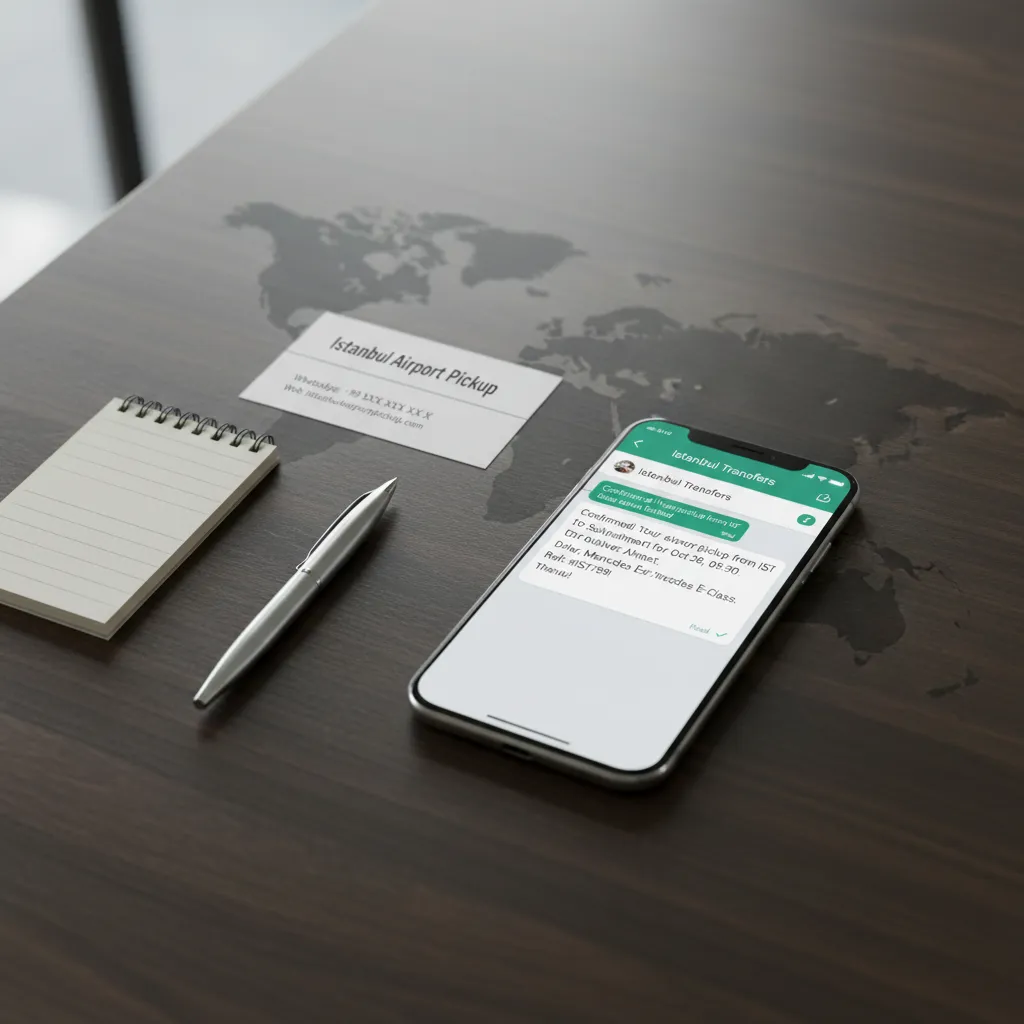
A recent travel-insurance analysis of over 30,000 Reddit comments found Turkey mentioned more often in taxi-scam complaints than any other country in the world — nearly double the next country on the list. Most Istanbul taxi drivers are honest, licensed professionals, and the municipality actively prosecutes the ones who aren’t. But knowing the handful of tricks that do happen means you’ll spot them in seconds instead of paying for them.

The 5 tricks that actually happen
⚠️ Meter not switched on — The driver quotes a flat price instead of starting the meter, usually well above the real fare. Always ask for the meter (“taksimetre, lütfen”) before the car moves. If it’s broken or refused, get out.
⚠️ “Card machine is broken” — A sudden cash-only demand after the ride starts, sometimes with the fare rounded up “for convenience.” Keep some Turkish Lira on hand, but don’t be pressured into paying more than the meter shows.
⚠️ The long way round — An unnecessary loop or detour, blamed on traffic or a closed road. Open a maps app and glance at the route now and then — you don’t need to speak Turkish to notice a U-turn.
⚠️ Note switching — You hand over a large bill, the driver swaps it for a smaller one while making change, then claims you underpaid. Say the note’s value out loud as you hand it over, or hold onto it until change is counted.
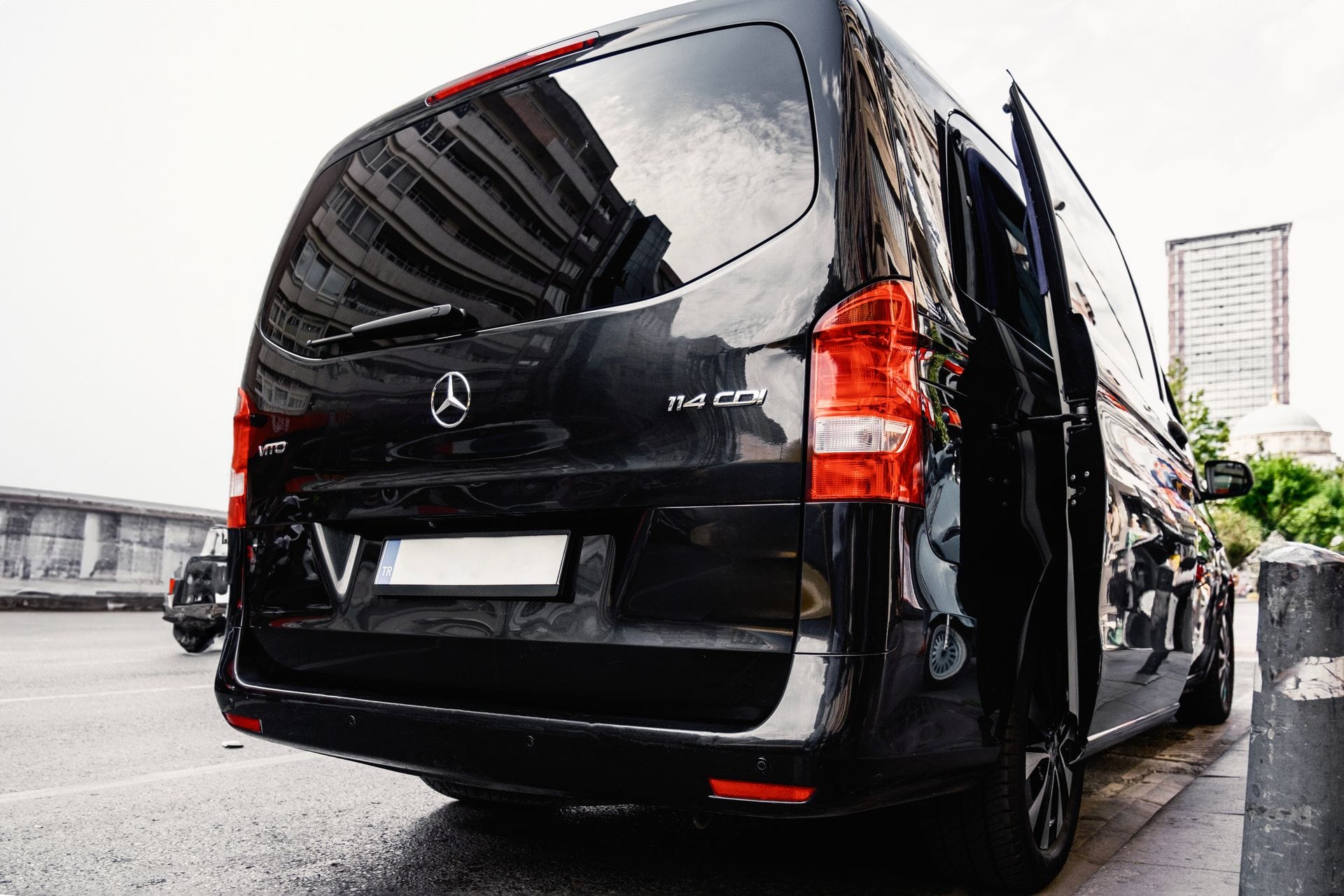
⚠️ Unofficial drivers at arrivals — Someone outside the official taxi rank offers a “special price” straight to your destination. Use only metered yellow taxis from the official rank, or a pre-booked driver who’s already confirmed and waiting with your name.
It’s taken seriously — by the city, too
This isn’t just traveler gossip. Istanbul courts have prosecuted drivers for overcharging tourists, with cases making national news and real prison sentences requested. The Istanbul Metropolitan Municipality (İBB) and police say they’ve stepped up inspections specifically on airport and tourist routes. In other words: this is a known problem that the city is actively working against — and it also means that if something does happen to you, there are official channels that take it seriously.
Five habits that protect you
Insist on the meter before the car moves, every time. Keep small notes and coins so you’re not relying on a driver’s “change.” Follow your route on your phone’s map, even without data — you’ll still see your blue dot move. Note the taxi’s plate number when you get in; just having it visible tends to change behavior. And only use the official taxi rank or a vehicle you’ve already booked — never someone who approaches you first in the terminal.

If something does go wrong
Note the plate number and report it: Alo 153 (İBB’s municipal line), 112 for anything urgent, or the Istanbul Governorship’s “Taksi İhbar” reporting line. Most disputes are resolved quickly once a complaint with a plate number is filed — the city doesn’t want the reputation any more than honest drivers do.
Frequently Asked Questions
Are Istanbul taxis generally safe? Yes — the vast majority of rides are completely normal. The scams above are common enough to know about, not common enough to expect on every ride.
What’s the easiest way to avoid all of this? Book your transfer before you fly. A pre-arranged, fixed-price pickup means there’s no meter, no cash negotiation, and no decision to make while jet-lagged at 2am.
Should I still tip? Rounding up to the nearest note is normal and appreciated, but not required the way it is in some countries.
What if I don’t speak Turkish? “Taksimetre, lütfen” (the meter, please) and having your destination written down or on your phone screen covers almost every situation.
Fixed price, agreed before you land. No meter, no negotiation, no surprises.